Understanding Illinois BIPA Laws: Impacts on Data Center Development and Future Legislative Trends
The Illinois Biometric Information Privacy Act (BIPA) has become a critical factor for companies operating in the state, especially for hyperscalers developing data centers. BIPA governs the collection, use, and storage of biometric data, such as fingerprints and facial recognition. This blog post summarizes current Illinois laws and bills affecting BIPA rights, highlights their impact on hyperscalers and consumers, and discusses what the legislative trends mean for data center development in Illinois.

Overview of Illinois BIPA
Enacted in 2008, BIPA protects individuals’ biometric identifiers and information by requiring companies to obtain informed consent before collecting or disclosing biometric data. The law also mandates secure storage and timely destruction of biometric data. Illinois is one of the few states with a private right of action, allowing individuals to sue companies for violations.
BIPA’s strict requirements have created challenges for hyperscalers—large cloud service providers and data center operators—who rely on biometric systems for security and access control. The law favors consumer privacy but can increase compliance costs and legal risks for businesses.
Key Illinois Laws and Bills Affecting BIPA Rights
1. Current BIPA Statute (740 ILCS 14)
Summary: Requires written consent before biometric data collection, prohibits data sharing without consent, mandates data retention policies, and allows private lawsuits for violations.
Impact: Strongly favors consumers by protecting biometric privacy and enabling legal recourse.
Effect on Hyperscalers: Increases operational costs due to compliance and potential litigation risks. Hyperscalers must implement strict consent and data management protocols, which can delay data center deployment and increase legal expenses.
2. Senate Bill 3053 (Proposed Amendments to BIPA)
Summary: Seeks to clarify consent requirements and limit the scope of private lawsuits by introducing a notice-and-cure period before litigation.
Impact: Slightly favors hyperscalers by reducing immediate litigation risks and providing a chance to fix violations.
Effect on Hyperscalers: Could lower legal exposure and encourage investment in Illinois data centers by reducing uncertainty around BIPA enforcement.
3. House Bill 4726 (Biometric Data Security Enhancements)
Summary: Proposes stricter data security standards for biometric information, including mandatory encryption and breach notification timelines.
Impact: Favors consumers by enhancing protections but increases compliance burdens on businesses.
Effect on Hyperscalers: Requires investment in advanced security infrastructure, potentially increasing development costs but improving overall data security posture.
4. Senate Bill 3450 (Limiting Scope of BIPA to Commercial Use)
Summary: Attempts to narrow BIPA’s application to commercial entities only, excluding certain nonprofit or governmental uses.
Impact: Favors hyperscalers by reducing the number of entities subject to BIPA.
Effect on Hyperscalers: Could simplify compliance for some data center operators, but the bill faces opposition from privacy advocates.
Legislative Sentiment and Next Steps
Illinois lawmakers show a mixed stance on BIPA reforms. Consumer privacy groups strongly support maintaining or strengthening BIPA protections, while industry stakeholders push for amendments that reduce litigation risks and clarify compliance requirements.
Likelihood of Passage: Bills like SB 3053 that offer compromise solutions have a higher chance of passing within the next 12 to 18 months.
Timeline: The Illinois General Assembly typically meets annually from January to May. Expect key BIPA-related bills to be debated during these sessions.
Recommended Actions for Hyperscalers:
- Monitor legislative developments closely.
- Engage with policymakers to advocate for balanced reforms.
- Invest in compliance infrastructure now to avoid disruptions.
- Prepare for potential changes by updating consent and data handling policies.
Impact on Data Center Development in Illinois
BIPA’s requirements influence several aspects of data center development:
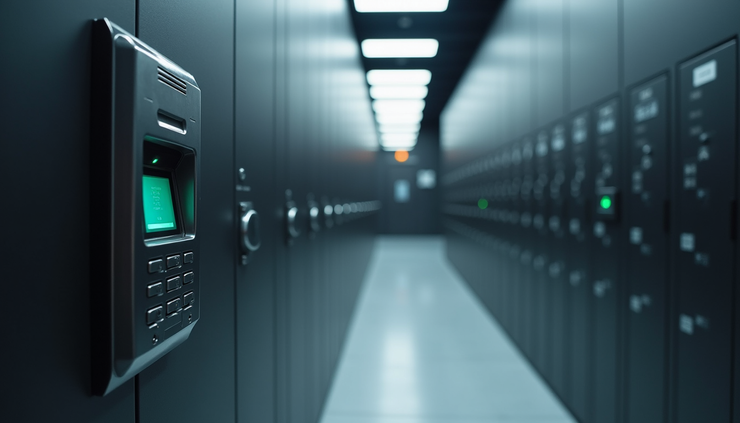
Security Systems: Hyperscalers must design biometric security systems that comply with consent and data retention rules, which can increase design complexity.
Legal Risk Management: The private right of action under BIPA exposes developers to lawsuits, requiring robust legal strategies and insurance coverage.
Operational Costs: Compliance with BIPA and proposed bills may increase costs related to technology upgrades, staff training, and legal counsel.
Project Timelines: Delays may occur due to the need for thorough privacy impact assessments and consent management systems.
Despite these challenges, Illinois remains attractive for data center development due to its infrastructure and market access. Hyperscalers that proactively address BIPA compliance can mitigate risks and capitalize on growth opportunities.

Final Thoughts
Illinois BIPA laws strongly protect consumer biometric privacy, creating a complex environment for hyperscalers developing data centers. Current statutes favor consumers, but proposed bills indicate a legislative effort to balance privacy with business needs. Hyperscalers should prepare for evolving regulations by enhancing compliance programs and engaging with lawmakers.

Comments